Comprehensive Psychological Evaluations
Many families come seeking answers to questions like:
Does my child have autism spectrum disorder (ASD)?
Does my child have a learning disability (e.g., dyslexia)?
These evaluations provide clarity by identifying conditions such as autism spectrum disorder (ASD), attention-deficit/hyperactivity disorder (ADHD), and specific learning disabilities. This understanding can help you access the resources and interventions your child needs to succeed.

Why Choose a Comprehensive Evaluation?
Understanding your child’s developmental and learning needs can feel very complex. Comprehensive psychological evaluations provide the clarity you need by identifying strengths, pinpointing challenges, and offering actionable strategies to help support your child effectively.
What is a Comprehensive Psychological Evaluation?
A comprehensive psychological evaluation is an in-depth assessment designed to understand your child’s unique profile. It examines cognitive abilities, academic skills, emotional functioning, and behavior to provide a detailed understanding of how your child learns and interacts with the world. These evaluations go beyond surface-level observations to offer a thorough picture of your child’s strengths and areas for growth.
What are the Key Components of an Evaluation?
Parent and Teacher Input We will begin by gathering insights from parents and teachers to understand your child’s strengths, challenges, and developmental history.
Standardized Testing Using evidence-based tools, we assess areas such as:
Cognitive abilities
Academic skills (reading, writing, math)
Executive functioning
Social communication and behavior
Behavioral Observations Through direct interaction and observation, we gain insights into how your child processes information and responds to different situations. This can include setting up school observations to learn about your child’s behavior in a real-world setting.
Detailed Report and Recommendations You’ll receive a comprehensive report outlining the evaluation results, diagnoses (if applicable), and tailored strategies to support your child at school and home.
Four Step Assessment Process
-
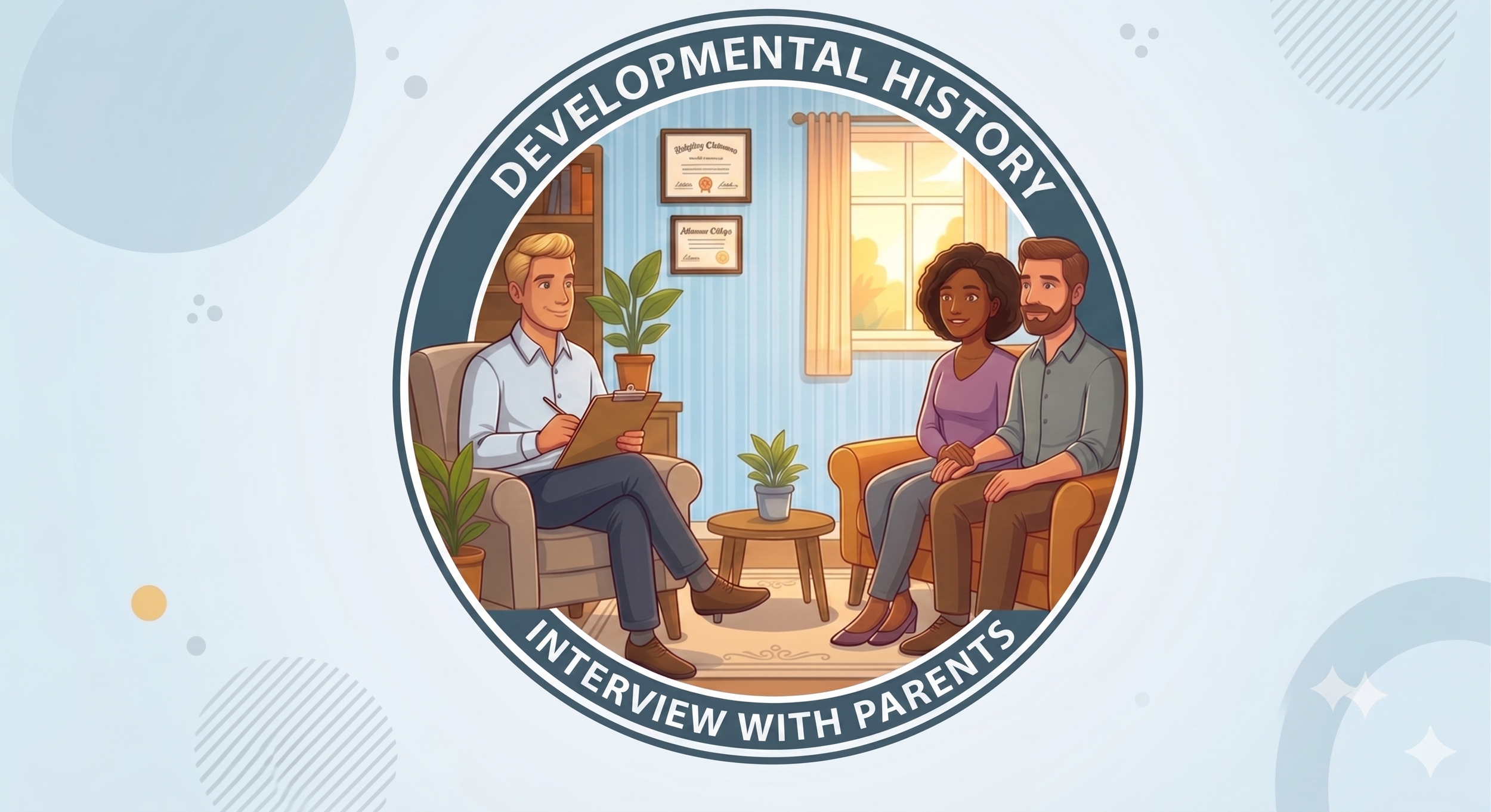
Step 1. Starting with parents
As experts on your child and their history, your voice is the foundation for the evaluation. Our first meeting lets you make sure your observations are heard to help guide the next steps of the testing process.
-
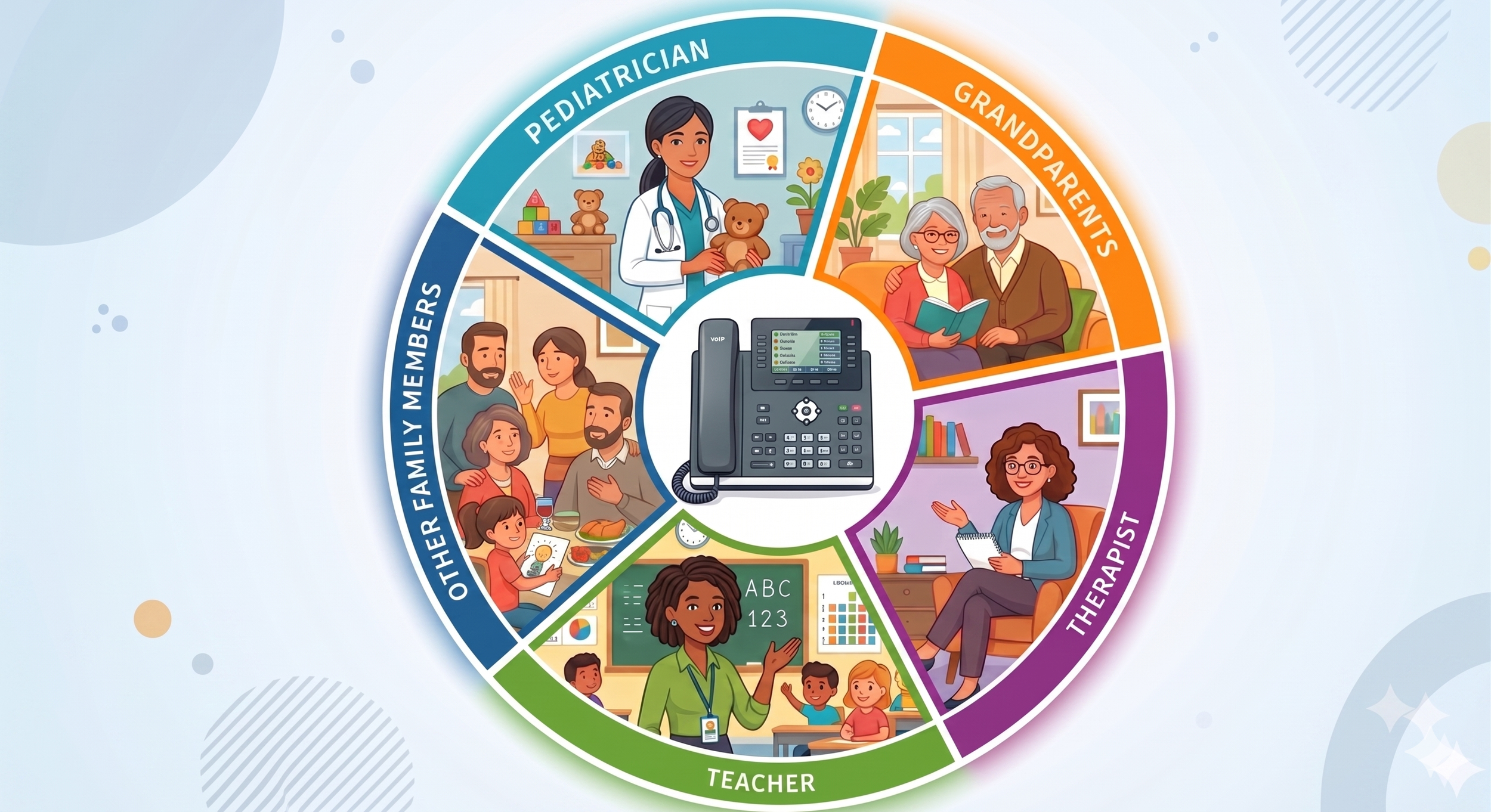
Step 2. Input from others
They say it takes a village to raise a child. Together, parents and Dr. Ahles will figure out who in your child’s “village” Dr. Ahles should speak with to help get a full picture.
-
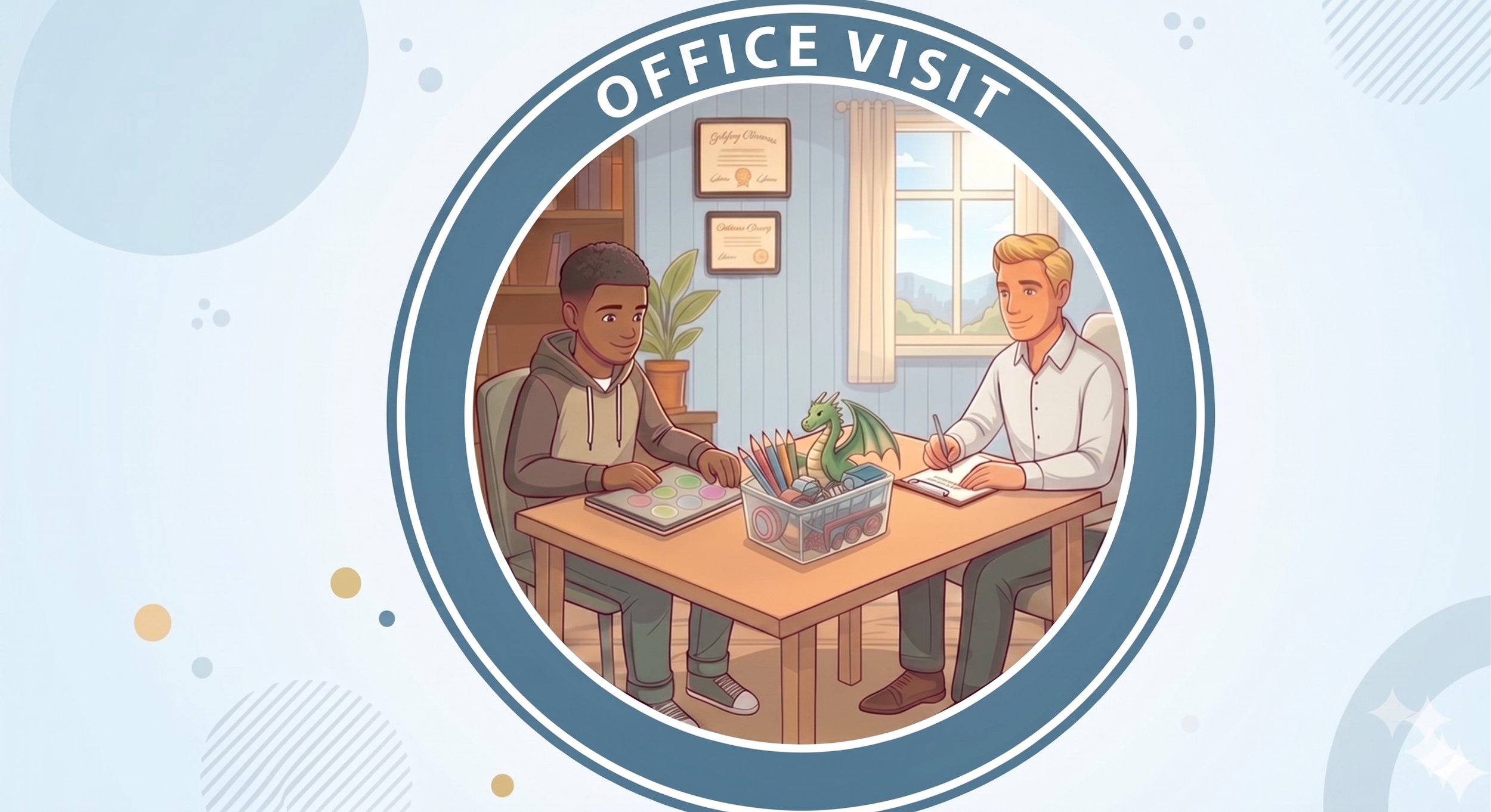
Step 3. Meeting with your child
Meeting with your child or teen involves games, puzzles, talking, and sometimes play. There are plenty of opportunities for breaks and snacks when meeting in the office.
-
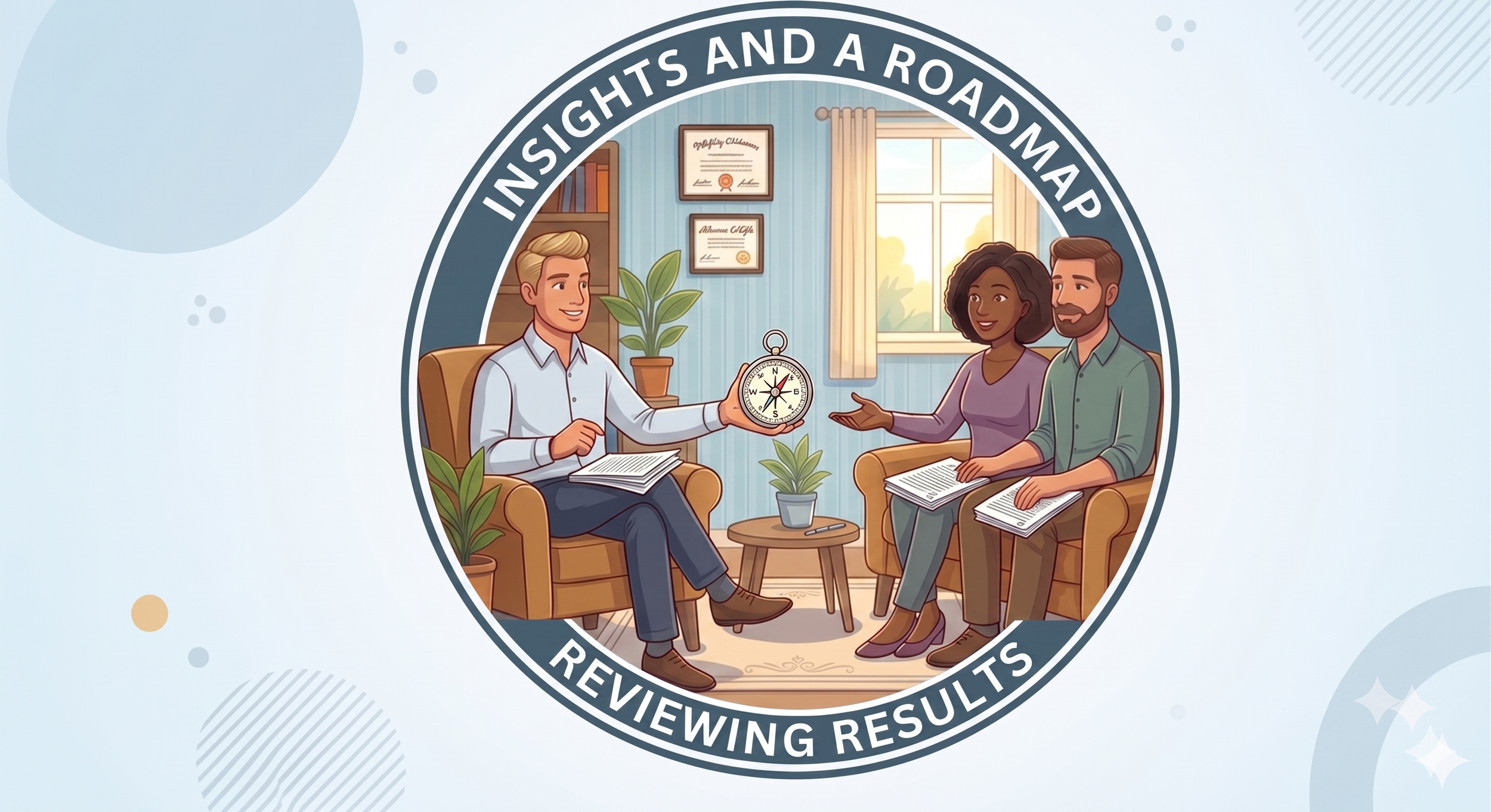
Step 4. Understanding your child
Most parents aren’t just looking for a diagnosis - they want to understand their child and have a roadmap for helping them thrive. The final session walks through the results and serves as a compass to navigate development.
Still wondering if its right for your child?
Complete the Get Started form and I will be happy to talk through the options in a complimentary phone screening.